Conveyor Belts

Conveyor Belts in Steel, Power Plant, Oil & Petrochemical Industries | Applications & Selection Guide

Introduction

Conveyor belts are essential in heavy industries such as steel production, power generation, oil refining, and petrochemicals. These systems transport raw materials, fuels, and finished products with efficiency and safety, ensuring smooth operations. Selecting the right conveyor belt improves productivity, minimizes downtime, and reduces overall maintenance costs. 

1) Conveyor Belts in the Steel Industry

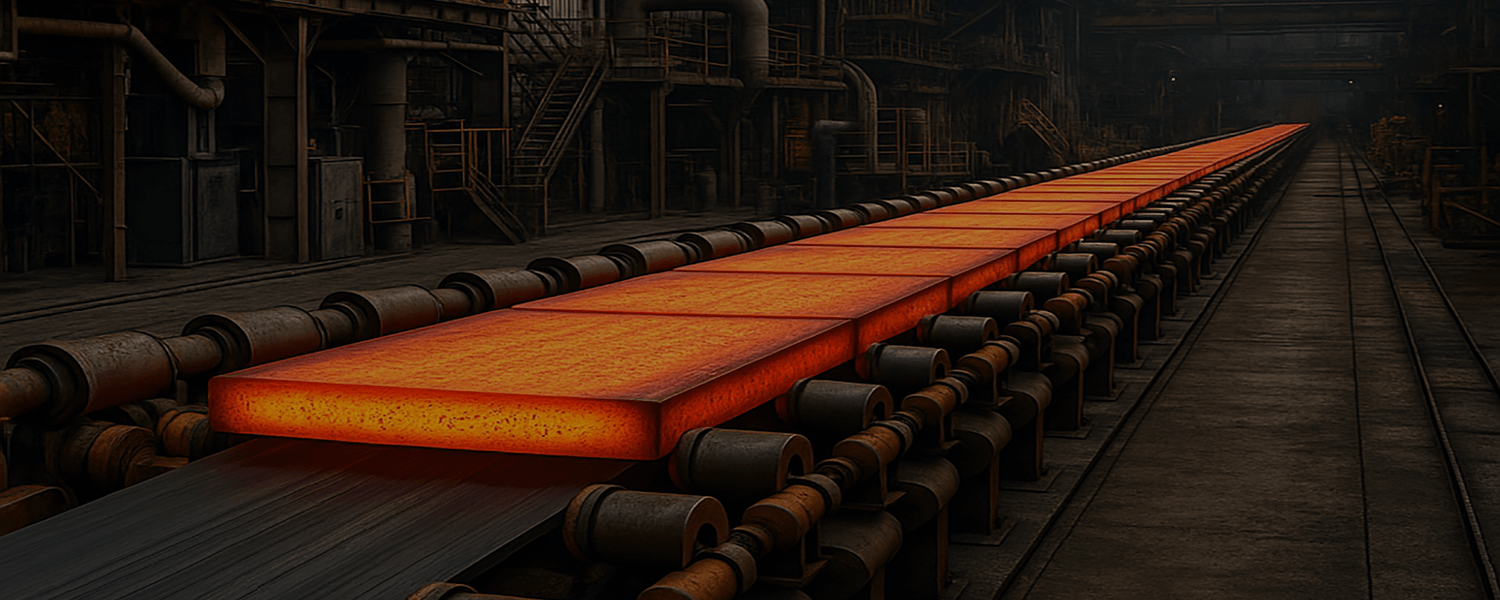
Steel plants operate under extreme conditions where conveyor belts handle hot, heavy, and abrasive materials.
Applications:

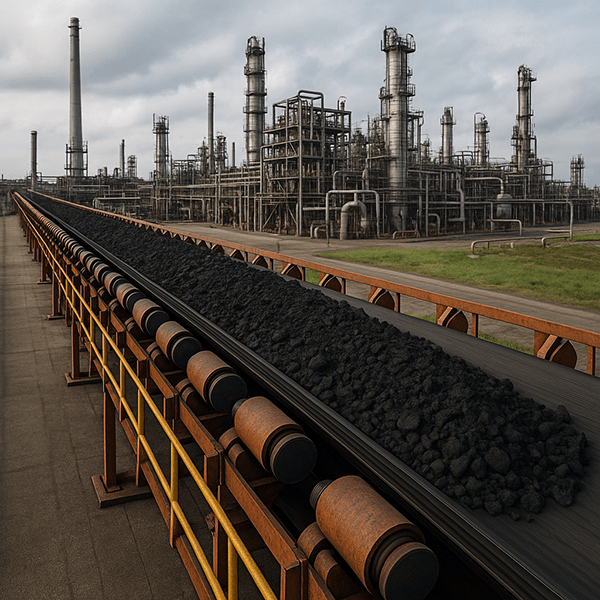
  • Transporting iron ore, coal, and limestone to furnaces.
  • Moving hot slabs, billets, and steel coils.
  • Slag and by-product handling.

Key requirements:

  • Heat-resistant rubber compounds.
  • Strong tensile strength for heavy loads.
  • Abrasion resistance for rough materials.
conveyor belts

2)Conveyor Belts in Power Plantss

Power generation facilities rely on conveyor belts for continuous bulk fuel supply.

Applications:

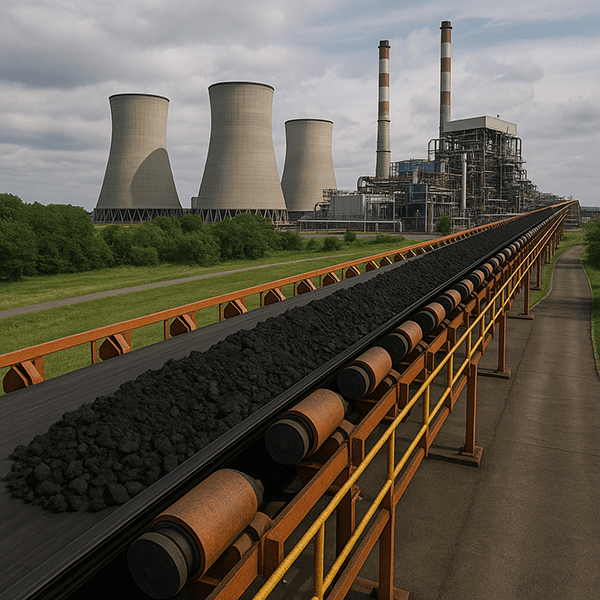
  • Coal handling systems.
  • Ash collection and removal.
  • Biomass and alternative fuel transport.

Key requirements:

  • Fire-resistant and anti-static properties (FRAS).
  • High load capacity.
  • Reliable performance in 24/7 operations.

3) Conveyor Belts in Oil & Petrochemical Industries

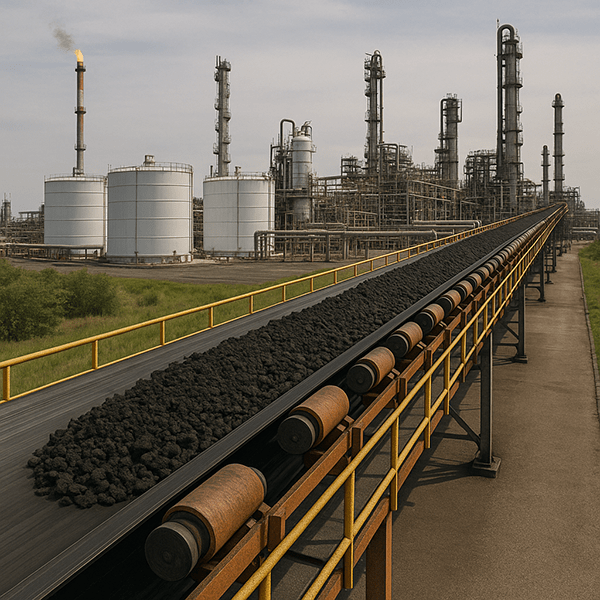
In refineries and petrochemical plants, conveyor belts move chemicals, bulk liquids, and by-products.
Applications:

  • Chemical transport in production facilities.
  • Bulk handling in storage terminals.
  • Loading and unloading operations in ports.

Key requirements:

  • Oil-resistant and chemical-resistant designs.
  • Explosion-proof safety compliance (ATEX).
  • Corrosion-resistant materials for harsh environments.
conveyor belts
How to Select the Right Conveyor Belt

When choosing a conveyor belt for heavy industry, consider:

  1. Material type (hot, oily, corrosive, abrasive).
  2. Temperature resistance and working environment.
  3. Load-bearing capacity for bulk handling.
  4. Compliance with fire and explosion safety standards.
  5. Ease of maintenance and long-term cost efficiency.
Maintenance & Best Practices
  • Perform regular inspections for wear, cracks, or misalignment.
  • Maintain proper belt tension to prevent slippage.
  • Lubricate pulleys and rollers on schedule.
  • Use condition monitoring systems for predictive maintenance.
Conclusion

Conveyor belts are indispensable in steel, power, oil, and petrochemical industries. The right selection—whether heat-resistant, fire-resistant, or oil-resistant—ensures reliable performance and maximum safety. Working with trusted suppliers guarantees durability, cost-effectiveness, and compliance with industry standards.

Category
Articles